This comprehensive guide walks you through everything you need to know to make the most of your Moroccan journey, from navigating the medinas to experiencing the Sahara Desert like a seasoned traveler.
Planning Your 10-Day Casablanca Itinerary: Routes and Transportation
Your 10-day Morocco tour from Casablanca should balance major cities with authentic desert experiences. Starting in Casablanca, spend 2 days exploring Hassan II Mosque, the coastal Corniche, and the historic medina before heading south. The drive to Marrakech (3.5 hours) offers excellent value on buses costing $8-12 per person. From Marrakech, allocate 2-3 days for desert preparation, visiting the Atlas Mountains and Kasbah Ait Benhaddou (UNESCO World Heritage site). Days 6-7 should focus on your Sahara Desert experience in Merzouga, where budget-friendly desert camps range from $40-80 per night including meals and camel trekking. Use intercity buses (CTM or Supratours) rather than private taxis to save 40-50% on transportation costs. Return via Fes (2 days) to experience Morocco's oldest medina before heading back to Casablanca on your final day. This route maximizes cultural diversity while keeping transportation costs reasonable—expect to spend $150-200 total on all intercity travel. Book accommodations in advance through budget hotel platforms to secure rates between $20-35 nightly for clean, comfortable options with breakfast included.
Desert Experience and Sahara Camping: Authentic Budget Adventures
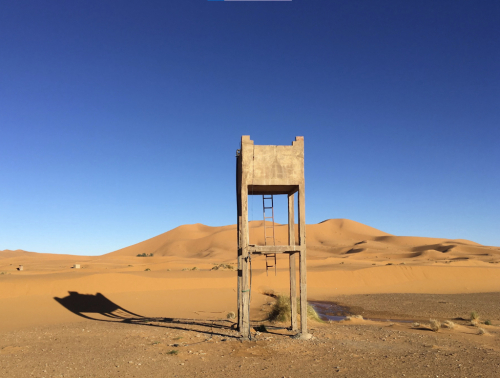
The Sahara Desert section of your 10-day Morocco tour from Casablanca represents the highlight for most visitors, and it doesn't require luxury spending. Merzouga and Erg Chebbi offer stunning sand dunes accessible through budget desert camps charging $50-75 per person for overnight stays with traditional Berber dinners included. Negotiate directly with camp operators in Erfoud or Merzouga to bypass middleman markups - arrive in the afternoon, tour the dunes on camel for 2-3 hours, enjoy mint tea at sunset, share a tagine dinner with other travelers, sleep in traditional Berber tents with comfortable bedding, and wake for sunrise camel trekking. Many budget operators include breakfast and tea in their quoted prices, making all-in costs extremely reasonable.
Skip expensive "luxury desert camps" unless budget allows; you'll have identical desert experiences at half the price. Bring sunscreen, a hat, and light layers for temperature fluctuations between blazing days (100°F+) and cool nights. Consider the 3-day Fes-to-Merzouga trek if you enjoy hiking, though the 10-day itinerary works better with the direct desert camp experience. Visit during shoulder seasons (April-May, September-October) for comfortable temperatures and lower prices than peak winter tourism.
Navigating Moroccan Medinas: Money-Saving Tips for Shopping and Dining
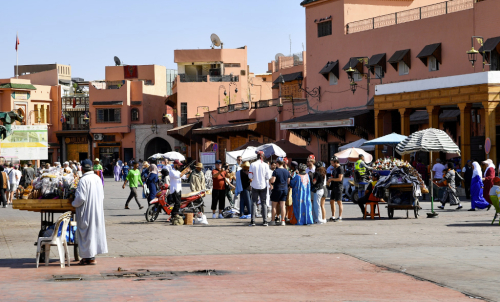
The medinas of Casablanca, Marrakech, and Fes intimidate first-time visitors, but understanding local customs saves both money and frustration. Never accept the first quoted price in souks merchants expect negotiation and will drop prices 30-50% with respectful haggling. Dress modestly, carry small bills (dirhams), and establish rapport before discussing purchases. For dining, avoid restaurants near major tourist sites; instead, eat where locals gather in the medina a filling tagine with bread costs $3-5 versus $12-15 in tourist-focused establishments. Learn basic French and Arabic phrases; vendors respect visitors making genuine effort to communicate. Hire official guides through your accommodation rather than street solicitors, paying $15-20 for 2-3 hour walking tours of medina highlights. In Marrakech, visit Jemaa el-Fnaa square in early morning before crowds arrive; street food breakfast (fresh orange juice, crepes, boiled eggs) costs under $3 total. Explore the artisan quarters of each medina where craftspeople sell directly - leather goods, carpets, and metalwork cost 40% less than retail shops. Always confirm prices before purchasing, photograph items for comparison shopping, and remember that high pressure tactics indicate inflated pricing. Tourist police exist in major medinas; don't hesitate to report aggressive vendors or scams.
Practical Essentials: Visas, Money, Health, and Cultural Etiquette
US citizens receive 90 days visa-free entry to Morocco - simply present a valid passport and proof of onward travel. Arrive with $200-300 cash in dirhams (exchange rates favor ATMs over airport counters). ATMs accepting Visa/Mastercard are ubiquitous in cities and towns, though desert areas lack banking services withdraw cash before leaving urban centers. Budget $40-60 daily for food, accommodation, and activities if traveling frugally; mid-range travelers should plan $75-100 daily. Tap water in major cities is safe, but carry bottled water in smaller towns and desert areas ($0.50-1 per liter). Travel insurance isn't mandatory but highly recommended for medical emergencies and trip cancellation; expect $25-35 for 10-day coverage. Morocco's healthcare quality varies; major hospitals in Casablanca, Marrakech, and Fes provide excellent care at modest costs compared to US standards. Respect religious practices during Ramadan (dates vary yearly), eating/drinking publicly is offensive to fasting Muslims; restaurants remain open but service changes. Greet with Salaam alaikum (hello) and respond to Merc" with Labas (thank you). Dress conservatively in medinas and rural areas; beach resort areas are more relaxed. Haggling is cultural practice in souks but inappropriate in fixed-price shops and restaurants. Photography requires permission from locals and strict prohibition inside active mosques.
Best Time to Visit and Seasonal Weather Considerations
Your 10-day Morocco tour from Casablanca experiences dramatically different conditions based on travel timing, significantly impacting comfort and costs. Spring (April-May) and fall (September-October) offer ideal temperatures (65-80°F), manageable crowds, and lower accommodation prices—budget hotels cost $15-25 nightly versus $35-50 in peak winter months (December-February). Summer (June-August) brings oppressive heat in interior regions (110°F+) but is excellent for coastal activities; however, this peaks tourist season inflates all prices 25-40%. Winter months attract European tourists escaping cold climates, creating crowded medinas and booked accommodations. Desert areas cool dramatically after sunset year-round; pack light layers even in hot seasons. Ramadan (dates shift yearly) profoundly affects Morocco - many restaurants close daytime hours, medinas change rhythm, and some attractions reduce hours. Plan accordingly as this period offers authentic cultural experiences but reduced tourist infrastructure. Rainfall occurs primarily November-March, occasionally causing road closures in Atlas Mountains. Check weather forecasts before booking; sudden rain during desert seasons is rare but possible. The shoulder seasons deliver optimal value - comfortable weather, fewer tour groups, negotiable accommodation rates, and authentic local interactions uninterrupted by peak tourism. Book 2-3 weeks in advance for these periods to secure preferred accommodations at published rates rather than inflated walk-in pricing.
Ready to Explore?
Desert Tour Marrakech specializes in expertly-crafted 10-day Morocco tours from Casablanca that handle transportation logistics, desert camp arrangements, and local guide connections, allowing you to focus on experiencing authentic Morocco without the stress of independent planning.
View All Tours
 VIDEO
VIDEO FACEBOOK
 TWITTER
 INSTAGRAM
 PINTEREST
 ENGLISH